Tailored Software for Manufacturing Efficiency
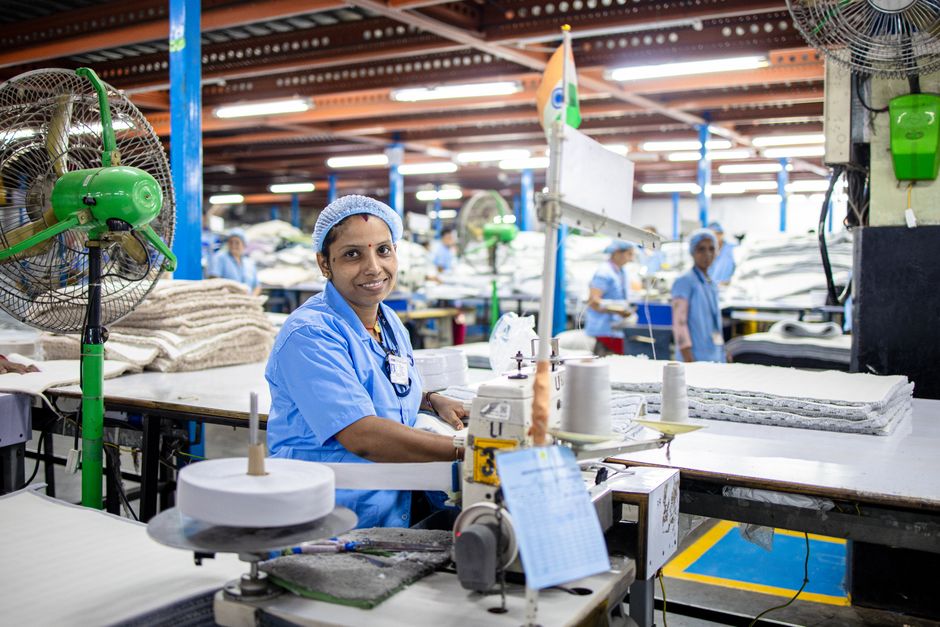
Tailored software for manufacturing efficiency directly addresses your unique production processes, improving output and reducing errors. This custom approach ensures your technology works for your specific needs, not the other way around.
What is tailored software for manufacturing efficiency?
Tailored software for manufacturing efficiency means building or adapting digital tools specifically for your factory's operations. Instead of using generic software that forces you to change how you work, this approach creates solutions that fit your exact workflows. This could involve anything from custom inventory management systems that track raw materials precisely to production line monitoring software that flags issues in real-time. The goal is to eliminate bottlenecks, reduce waste, and increase the speed and quality of your output. It’s about making your existing processes work better with technology designed just for them.
How does tailored software improve manufacturing efficiency?
Tailored software improves manufacturing efficiency by directly solving the problems that slow you down. Generic systems often have features you don't need and lack the specific functions you do. Custom solutions can:
- Automate Repetitive Tasks: Software can handle data entry, report generation, and scheduling, freeing up human workers for more complex jobs.
- Improve Data Accuracy and Visibility: Real-time tracking of materials, production status, and quality control reduces errors caused by manual input or outdated information. This means better decision-making based on accurate data.
- Optimize Production Scheduling: Custom scheduling tools can factor in machine availability, labor, and material lead times to create the most efficient production runs.
- Enhance Quality Control: Integrated quality checks at various stages of production can identify defects early, reducing scrap and rework.
- Streamline Supply Chain Communication: Better integration with suppliers and distributors ensures materials arrive on time and finished goods are shipped efficiently.
- Provide Actionable Insights: Dashboards and reports built around your key performance indicators (KPIs) give managers a clear view of what's working and what needs attention.
For example, a custom system could be built to track every component from the moment it enters the factory to its final assembly, providing a complete audit trail and immediate alerts if a batch of parts doesn't meet quality standards. This level of detail is often impossible with off-the-shelf software.
How much does tailored software for manufacturing efficiency cost?
The cost of tailored software for manufacturing efficiency varies significantly. A basic internal tool or a simple integration might cost between $5,000 and $15,000. More complex systems, such as a full production management suite or a custom ERP-like system, can range from $15,000 to $60,000 or more. The price depends on the complexity of the features, the number of integrations required, and the time needed for development and testing. A thorough Discovery Sprint, which typically costs $2,500–$5,000, is the first step to define the scope and provide a more accurate estimate.
When should a manufacturing company invest in tailored software?
A manufacturing company should consider tailored software when:
- Existing software hinders productivity rather than helping it.
- Manual processes and spreadsheets are causing errors or delays.
- There's a need for better tracking of inventory, production, or quality control.
- The company has unique operational requirements not met by standard solutions.
- Competitors are gaining an edge through more efficient operations.
- Scaling the business is hampered by current technological limitations.
If your current systems require significant workarounds or if you're spending too much time managing data across different, unconnected platforms, it's a strong indicator that custom solutions are needed. For instance, if your quality assurance team spends hours manually compiling data from different machines into a single report, a custom dashboard could automate this entirely.
What are the alternatives to tailored software?
The main alternatives are off-the-shelf software packages and extensive customization of existing platforms. Off-the-shelf software is quicker to implement and often cheaper initially, but it rarely fits perfectly. You might end up paying for features you don't use and struggling with those you do. Customizing existing platforms can be a middle ground, but it can also become expensive and complex, sometimes leading to a system that is difficult to maintain or upgrade. For many manufacturers, the long-term benefits of software built specifically for their operations outweigh the initial investment in customization.
How is tailored software implemented in manufacturing?
Implementation typically involves several stages:
- Discovery and Planning: Understanding your specific needs, workflows, and goals. This is where a Discovery Sprint is invaluable.
- Design and Development: Building the software based on the agreed-upon specifications. This includes custom software development, web app development, and potentially building internal tools & dashboards.
- Integration: Connecting the new software with existing systems, like accounting platforms or legacy hardware, using system integrations.
- Testing: Rigorous testing to ensure the software functions correctly and meets all requirements.
- Deployment: Rolling out the software to your team.
- Training and Support: Ensuring your staff can use the new system effectively and providing ongoing maintenance.
The entire process is about creating everything Steve builds to support your operational goals. It's not just about the software itself, but also ensuring it integrates smoothly and is supported long-term.
Investing in tailored software for manufacturing efficiency isn't just about buying new tools; it's about fundamentally improving how your business operates. It leads to reduced costs, higher quality products, and a more agile response to market demands. If you're ready to explore how custom solutions can transform your manufacturing floor, let's talk. Schedule a free 15-minute call to discuss your specific challenges and see how we can build a solution that drives real results.